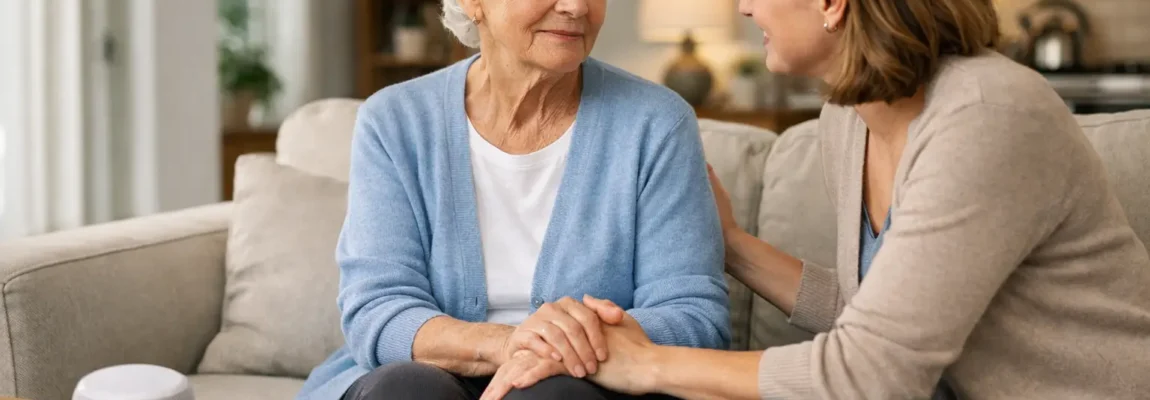
A parent may know every room in the house by heart, yet suddenly leave a burner on, miss medications, or become frightened after sunset. Those moments can leave families asking, can dementia patients stay home safely? Often, the answer is yes – with the right level of support, a safer home environment, and an honest plan that changes as the condition progresses.
For many people living with dementia, home is more than an address. Familiar rooms, routines, neighbors, and personal belongings can bring comfort and reduce confusion. Staying home can protect a sense of independence and dignity. At the same time, familiar surroundings do not remove the risks that memory loss, impaired judgment, wandering, and changes in mobility can create.
Can Dementia Patients Stay Home Safely?
A person with dementia may be able to remain at home when daily needs are being met consistently and safety concerns are addressed. The decision should not rest on a diagnosis alone. Dementia affects each person differently, and abilities can change gradually or quickly.
Families should look at the whole picture: Can their loved one eat regularly, manage personal care, take medications as directed, and move around the home safely? Are they able to call for help if something goes wrong? Is someone available to check in, assist, or provide supervision when needed?
Early in the condition, a person may need reminders, companionship, transportation, or help with shopping and household tasks. Later, they may need hands-on personal care, overnight supervision, or around-the-clock support. The goal is not to take away independence prematurely. It is to provide enough assistance to make independence safer and less stressful.
Signs That More Support Is Needed at Home
One missed appointment does not necessarily mean a loved one can no longer live at home. Repeated patterns deserve attention, especially when they involve safety, health, or basic daily functioning.
Warning signs may include frequent falls or unsteady walking, unexplained bruises, spoiled food in the refrigerator, weight loss, missed medications, unpaid bills, or poor hygiene. Families should also take seriously repeated confusion about where someone is, difficulty using familiar appliances, leaving doors unlocked, or getting lost during a usual walk or drive.
Changes in behavior matter too. A person who becomes unusually anxious, suspicious, agitated, or withdrawn may be struggling with unmet needs, pain, dehydration, infection, poor sleep, or increasing confusion. These concerns should be discussed with a healthcare professional, particularly when there is a sudden change from the person’s usual behavior.
Caregiver strain is another important sign. When a spouse or adult child is exhausted, losing sleep, missing work, or feeling constantly on edge, the current care plan may no longer be sustainable. Asking for help is not a failure. It is a responsible step that can protect both the person with dementia and the family member who loves them.
Make the Home Easier to Navigate
A safe home does not need to feel clinical or unfamiliar. Small, thoughtful changes can lower risks while preserving comfort and routine.
Start with clear walking paths. Remove loose rugs, electrical cords, clutter, and low furniture that can cause trips or falls. Improve lighting in hallways, stairways, bathrooms, and entrances. Nightlights can be especially helpful for someone who wakes up disoriented in the dark.
Bathrooms often need special attention. Grab bars near the toilet and in the shower, a shower chair, non-slip surfaces, and an easy-to-reach call device can make daily personal care safer. If stairs are becoming difficult, families may need to consider whether essential living areas can be moved to one floor.
The kitchen presents another set of risks. Consider stove safety features, appliance supervision, clearly labeled cabinets, and regular checks for expired food. Some families simplify meal preparation or arrange for a caregiver to prepare nutritious meals, offer reminders, and make sure their loved one is eating and drinking enough.
Helpful visual cues can also reduce frustration. Labels on doors and cabinets, a large calendar, a visible clock, and a consistent place for keys, glasses, and phones can support orientation. Keep changes gradual when possible. Rearranging an entire house at once may increase confusion for a person who depends on familiar visual patterns.
Plan for Wandering and Emergencies
Wandering is not always a sign that someone wants to leave home. A person may be looking for a former workplace, trying to find a family member, responding to boredom, or becoming confused about time. Still, wandering can become dangerous quickly, particularly in Florida heat, near busy roads, or during storms.
Families can reduce risk by keeping exterior doors secured in a way that follows local safety requirements, placing alarms or chimes on doors, and making sure neighbors know whom to contact if they see the person alone and confused. A recent photo, current medical information, and a simple emergency contact list should be easy for trusted family members and caregivers to access.
It also helps to look for patterns. If a loved one becomes restless every afternoon, that may be a cue to add a calming routine, a walk with supervision, music, a snack, or companionship before anxiety builds. Meeting the need behind the behavior is often more effective than trying to argue or correct.
Emergency planning should include more than wandering. Families should decide who can respond after a fall, a power outage, a hurricane evacuation, or a sudden illness. If the primary caregiver is unavailable, another trusted person needs to know the routine, medications, preferences, and immediate safety concerns.
Build a Care Plan Around Real Daily Needs
The safest care plans are specific. Rather than saying, “Mom is doing okay on her own,” identify what happens from morning through bedtime. Who makes breakfast? Who notices if medication is missed? Who helps with bathing, laundry, appointments, and social connection? Who is present when confusion is worse?
A care plan may begin with a few scheduled visits each week and grow as needs change. Companion care can provide conversation, meal support, light household help, transportation assistance, and watchful presence. Personal care may be needed when bathing, dressing, toileting, transfers, or mobility become difficult. Respite care can give family caregivers time to rest, work, attend their own appointments, or simply recharge.
When a loved one should not be left alone, live-in or 24-hour care can provide continuity and supervision at home. The appropriate level depends on the person’s health, behavior, mobility, sleep patterns, and available family support. A thoughtful assessment is more useful than guessing based on a good day or a difficult day.
Professional caregivers can also bring consistency to routines that have become emotionally difficult for relatives. A person with dementia may resist help from an adult child but accept a calm, respectful caregiver who approaches personal care without pressure. Continuity matters: familiar caregivers can learn a client’s preferences, notice subtle changes, and build trust over time.
Know When Home May No Longer Be the Safest Setting
Home care can be meaningful and effective, but there are situations where the risks may exceed what can reasonably be managed at home. Frequent injuries, repeated wandering despite safeguards, severe nighttime wakefulness, aggression that places others at risk, or medical needs beyond the available care plan may call for a new level of support.
This is not a one-time, all-or-nothing decision. Families can reassess after a hospitalization, a major fall, a medication change, or a noticeable decline. Speak with the person’s healthcare team about new symptoms and whether they may have a treatable cause. Then consider what additional support could make home safer before assuming a move is the only option.
For families in Delray Beach, Boca Raton, Boynton Beach, and nearby Palm Beach County communities, Definitive Caregivers can help create a personalized in-home support plan that respects the individual and gives families dependable help. Dementia care works best when it is responsive, compassionate, and built around the life a person has always known.
The right question is not simply whether a loved one can stay home today. It is whether they can be safe, cared for, and connected there tomorrow – with enough support for the whole family to breathe easier.