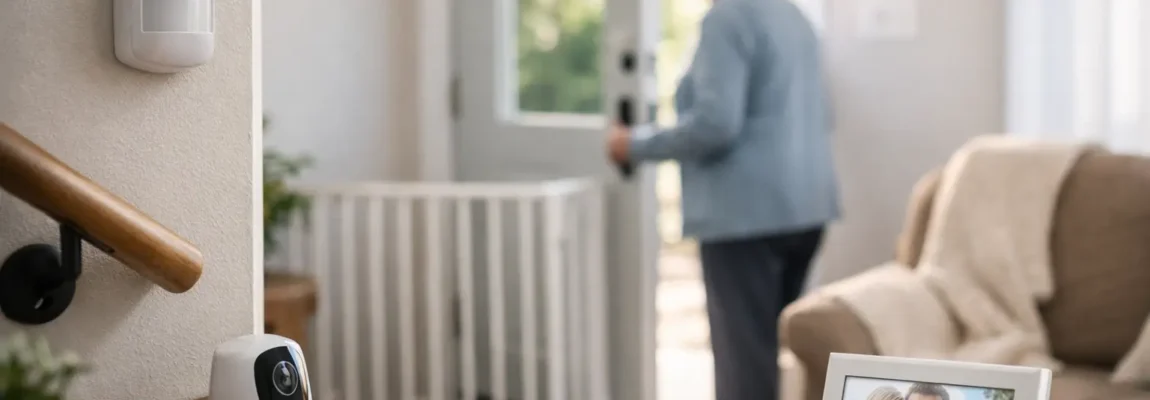
A loved one who leaves the house unexpectedly may not be trying to get away. They may be looking for a former workplace, searching for a familiar person, responding to hunger, or simply following a lifelong routine. Effective dementia wandering prevention tips begin with that understanding: wandering is often communication, not misbehavior.
For families, the goal is not to take away every bit of independence. It is to create a home routine that lowers risk, preserves dignity, and gives everyone more peace of mind. These practical steps can help you prepare while continuing to make home feel familiar and comforting.
Understand What May Be Causing the Wandering
Before changing locks or adding alarms, look for a pattern. A person with dementia may become restless at a particular time of day, after a noisy visit, when they need the restroom, or when they are hungry, tired, bored, or in pain. Some people become more confused in the late afternoon or evening, a change often called sundowning.
Keep brief notes for a week or two. Record when your loved one tries to leave, what was happening beforehand, and what helped them settle. This information can reveal small changes that make a meaningful difference, such as serving dinner earlier, closing curtains before dusk, or planning a short walk before the time they usually become restless.
A new or sudden change in wandering should be discussed with a healthcare professional. Infection, medication effects, dehydration, sleep problems, discomfort, vision changes, and other health concerns can increase confusion.
Dementia Wandering Prevention Tips That Start With Routine
1. Build movement into the day
Many people feel a genuine need to move. Safe activity can reduce restlessness more effectively than repeatedly telling someone to sit down. A walk with a family member, gentle stretching, folding towels, watering plants, or helping set the table can provide purpose as well as movement.
Choose activities that match the person’s abilities and history. Someone who enjoyed gardening may like sorting seed packets or tending a few potted plants. Someone who once walked to work may benefit from a scheduled morning walk with supervision.
2. Keep meals, sleep, and personal care predictable
A familiar rhythm gives a person with dementia useful cues about what comes next. Try to keep waking, meals, medication routines, bathing, and bedtime at consistent times when possible. Avoiding long stretches without food, water, activity, or companionship may also reduce agitation that leads to exit-seeking.
3. Offer reassurance instead of correction
If your loved one says they need to go home while standing in their own living room, arguing rarely helps. Respond to the feeling behind the words. You might say, “You want to make sure everything is okay. Let’s sit together for a moment, and then we can talk about it.”
A calm voice, a favorite snack, music, photo albums, or a simple task can redirect attention. Redirection is not about dismissing their concern. It is about helping them feel safe in the moment.
Make Exits Safer Without Making Home Feel Clinical
Home safety measures should be tailored to the person. What reassures one individual may frustrate or confuse another, so introduce changes gradually and watch how your loved one responds.
4. Use door alerts and motion sensors
A chime, door alarm, or motion sensor can let a caregiver know when someone is near an exit. These tools are especially helpful at night or during brief moments when a caregiver needs to prepare a meal, answer the phone, or use the restroom.
Alerts support supervision, but they do not replace it. Test them regularly, make sure caregivers know what each signal means, and keep batteries charged.
5. Keep doors less noticeable
In some homes, a curtain over a door, a removable mural, or moving a tempting coat rack away from the entry can reduce visual cues that prompt leaving. At the same time, all household members and caregivers must be able to exit quickly during an emergency. Never block required exits or create a setup that delays safe evacuation.
6. Secure keys, wallets, and driving access
Store car keys out of sight if driving is no longer safe. A person may associate a purse, shoes, keys, or a coat with an automatic routine of leaving for work or errands. Keeping these items in a consistent but discreet location can remove a trigger without creating a confrontation.
7. Check the outdoor environment
A secure, inviting outdoor area can offer a safer outlet for someone who wants to walk. Check gates, walkways, lighting, pool access, tripping hazards, and house numbers. In Florida, heat and sudden rain add another layer of risk, so plan outdoor time for cooler parts of the day and make water easily available.
Prepare for the Possibility of an Unplanned Exit
Even with thoughtful dementia wandering prevention tips in place, families should have a plan. Preparation is not pessimistic. It allows you to act quickly and calmly if a loved one cannot be located.
8. Keep an up-to-date information sheet
Prepare one page with a recent close-up photo, your loved one’s full name, physical description, medical needs, medications, preferred language, and places they may try to visit. Include familiar destinations such as an old address, a former job, a church, a favorite store, or a relative’s home.
Share the sheet with trusted family members and keep a printed copy where it can be found quickly. Make sure neighbors who are comfortable helping know how to reach you.
9. Consider identification and location tools
An ID bracelet, clothing label, medical ID card, or GPS device may help reunite a person with family if they become lost. The right option depends on what your loved one will comfortably wear and how much support the family can provide to keep a device charged.
Location technology can be useful, but it has limits. Devices can be removed, forgotten, or lose power. Whenever possible, explain the tool in a respectful way and involve your loved one in the decision. Privacy and dignity matter alongside safety.
10. Act immediately if your loved one is missing
Search the home, yard, and nearby areas first, paying attention to familiar walking routes and places that carry emotional meaning. Call emergency services promptly if your loved one is not found right away. Tell responders that the person has dementia and provide the information sheet and recent photo.
Do not wait because you think they may return on their own. Time, weather, traffic, water hazards, and disorientation can make an unplanned absence urgent.
Share Supervision So One Person Is Not Carrying It Alone
11. Create a consistent caregiving plan
Wandering risk is often highest when routines change or a caregiver is exhausted. Decide who is responsible for supervision at different times of day, including during appointments, meal preparation, showers, and overnight hours. A simple written schedule can prevent assumptions that someone else is watching.
If family members live far apart, regular check-ins and shared notes can help everyone understand current behaviors and what is working. Consistency also helps professional caregivers provide care that feels familiar rather than disruptive.
12. Ask for help before safety becomes a crisis
Caring for a loved one with dementia can become overwhelming, particularly when wandering concerns affect sleep, work, and the ability to leave the house. Companion care, respite care, and ongoing dementia support can provide another attentive person to help with routines, meaningful activities, personal care, and safe supervision.
For families in Palm Beach County and nearby communities, Definitive Caregivers can help build an in-home support plan around the individual rather than a one-size-fits-all schedule. The right level of care may be a few dependable hours, overnight support, or more continuous assistance depending on the person’s needs and the family’s capacity.
A safer home does not have to feel restrictive. With patient observation, a predictable routine, thoughtful safeguards, and reliable support, families can protect the person they love while continuing to honor the comfort and familiarity of home.