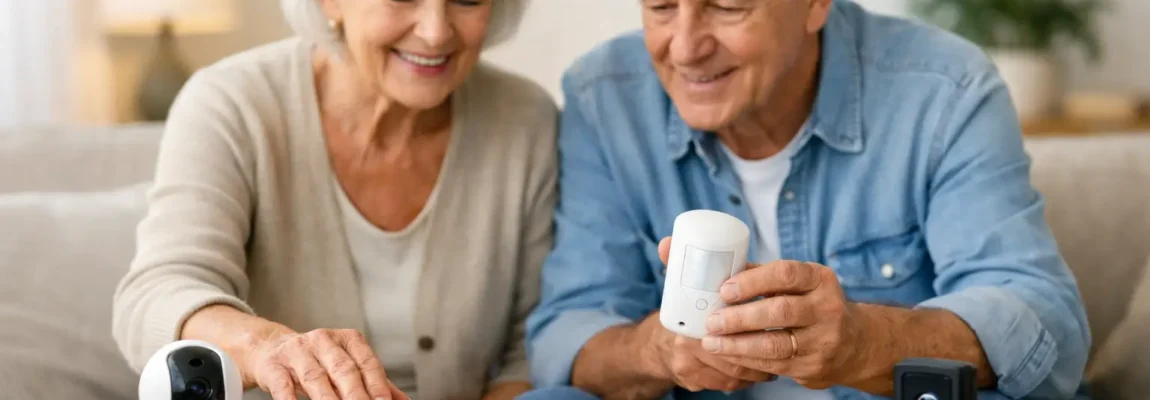
A fall at 2 a.m., a stove left on after lunch, or a missed call from a loved one can turn an ordinary day into a frightening one. When families ask about the best home safety devices seniors can use, they are usually looking for more than a gadget. They want practical protection that helps a parent or relative remain comfortable, dignified, and secure in the home they know and love.
The right choices depend on the person, the home, and the level of support already in place. A device should reduce a real risk without making daily life feel confusing, intrusive, or overly medical. For a senior recovering from surgery, bathroom safety and a reliable way to call for help may come first. For someone living with dementia, door alerts and stove safeguards may be more useful. Start with the situations that worry your family most.
How to Choose Home Safety Devices for Seniors
Before buying several devices at once, walk through the home at the times your loved one uses it most: early morning, after dark, during bathing, and while preparing meals. Look for dim hallways, loose rugs, difficult door locks, cluttered pathways, and places where help would be hard to reach.
Choose devices that are easy to operate and easy to maintain. A safety system is less helpful if it requires a smartphone app your loved one will not use, frequent charging that gets forgotten, or a complicated response process. Consider who will test batteries, review alerts, refill supplies, and respond if something happens.
It also helps to separate convenience from genuine safety. A smart speaker may be enjoyable, but it does not replace a dependable emergency response plan. Likewise, a camera can offer reassurance to family, but it should never take the place of respectful personal care and regular human connection.
12 Best Home Safety Devices for Seniors at Home
1. Medical alert systems
A wearable emergency button is often one of the most valuable additions to a senior’s home. It allows the person to request help after a fall, sudden illness, or other emergency, even when they cannot reach a phone. Look for a comfortable pendant or wrist device that can be worn in the shower, since bathrooms are a common location for falls.
Families should understand how the system works before relying on it. Some contact a monitoring center, while others alert designated family members. Test the button, confirm the contact list, and make sure the device is charged or has a current battery.
2. Automatic fall detection
Some medical alert devices include fall detection technology. This feature may call for help when it senses a hard fall, which can be especially reassuring for seniors who live alone or have balance concerns. It is not perfect, however. A device may not recognize every fall, and it can sometimes send an alert when no assistance is needed.
Fall detection works best as a backup, not as permission to skip regular check-ins or needed supervision. If a loved one has recurring falls, dizziness, or a recent injury, speak with their healthcare provider about the underlying cause as well.
3. Motion-activated lighting
Dark hallways, bedrooms, and bathrooms create avoidable hazards. Motion-activated night lights can illuminate a path to the bathroom without requiring a senior to search for a switch. They are inexpensive, simple, and particularly helpful for people who wake frequently overnight.
Place lights where they solve a specific problem: beside the bed, along the hallway, near stairs, and at entrances. Avoid overly bright lighting that can be disorienting or interrupt sleep.
4. Grab bars and bathroom safety supports
Not every important safety tool plugs in. Properly installed grab bars near the toilet and inside the shower provide stable support where slips are most likely. Shower chairs, handheld showerheads, and raised toilet seats can also make personal care safer for seniors with weakness, arthritis, or limited mobility.
Avoid relying on towel bars or suction-cup handles as a primary source of support. A qualified installer should secure grab bars to wall studs or use appropriate mounting hardware. The goal is a solution that will hold firm when it is truly needed.
5. Smart smoke and carbon monoxide alarms
Working smoke and carbon monoxide alarms remain essential in every home, but smart versions can add another layer of awareness. Depending on the model, they may send alerts to a family member’s phone when an alarm activates or when batteries need attention.
This can be helpful when a senior has hearing loss, memory changes, or difficulty replacing batteries. Still, alarms should be positioned correctly, tested regularly, and paired with an evacuation plan that accounts for walkers, wheelchairs, oxygen equipment, or mobility limitations.
6. Stove shutoff devices
Cooking supports independence, but an unattended stove can become a serious concern, particularly after a memory change or medication adjustment. Automatic stove shutoff devices can turn off power when they sense prolonged inactivity, overheating, or another potential hazard.
These devices are worth considering if your loved one has left burners on, burned pans, or become distracted while cooking. They may not suit every kitchen or every cooking routine, so ask whether installation is compatible with the home’s stove type.
7. Medication dispensers with reminders
A locked or timed medication dispenser can provide reminders and release the correct dose at scheduled times. This can reduce missed doses and help prevent accidental double-dosing, especially for seniors managing several prescriptions.
A dispenser is not the best fit for every medication plan. Some prescriptions have special storage requirements, and complex schedules may still require a family member, nurse, or caregiver to organize and monitor medications. Review any system with the prescribing provider or pharmacist when questions arise.
8. Video doorbells and door viewers
A video doorbell lets a senior see who is outside without opening the door. For families concerned about scams, unexpected visitors, or a loved one with limited mobility, that added pause can be protective.
Set it up with privacy in mind. The purpose is to help your loved one make safer choices at the front door, not to make them feel watched in their own home. A simple rule can help: do not open the door for unexpected visitors, and call a trusted family member if unsure.
9. Smart locks with simple access controls
Smart locks can spare a senior the frustration of managing multiple keys while allowing trusted relatives or caregivers to enter when needed. They can be useful after a hospitalization, when a loved one may have trouble getting to the door quickly.
Choose a lock with a straightforward backup option in case of a dead battery, power outage, or technology issue. Families should also limit access codes to people who truly need them and update codes when care arrangements change.
10. Door and window sensors
For a person with dementia or wandering risk, door and window sensors can alert family members when an exterior door opens. They can also provide reassurance for someone who is unsteady and may attempt to leave the home alone at night.
These alerts should be handled with compassion. The aim is not to restrict a person’s freedom unnecessarily, but to respond quickly when they may be confused, disoriented, or at risk. Pair sensors with a personalized care plan that includes meaningful activities, routines, and supervision when appropriate.
11. Bed and chair occupancy sensors
Pressure-sensitive bed or chair sensors can notify a family caregiver when a loved one gets up. They are especially useful for seniors at high risk of falling during nighttime bathroom trips or during recovery from surgery.
Because alerts can be frequent, these sensors work best when someone is available to respond. They are not a substitute for hands-on assistance when a person needs help standing, walking, transferring, or using the restroom safely.
12. Water leak sensors and automatic shutoff tools
A small leak under a sink or near a water heater can become a major home safety issue. Water sensors can send an alert when moisture is detected, while some systems can automatically shut off the water supply.
In Florida, where families may travel seasonally or face storm-related disruptions, this extra safeguard can protect both the home and the person living in it. Place sensors near toilets, washing machines, water heaters, and under sinks where leaks often begin unnoticed.
Technology Works Best With a Human Safety Plan
Home safety devices are most effective when they support a broader plan. Keep emergency numbers visible, maintain clear walking paths, review medications, and make sure family members know what to do if an alert comes through. Regular conversations also matter. A loved one may accept a device more readily when they are included in choosing it and understand how it protects their independence.
For seniors who need more than periodic check-ins, companion care, personal care, dementia support, or around-the-clock assistance can add the attentive presence technology cannot provide. A trained caregiver can notice changes in mobility, appetite, memory, mood, and daily routines before a small concern becomes a crisis.
The safest home is not the one with the most devices. It is the one where each thoughtful safeguard helps your loved one feel supported, respected, and never alone when help is needed.